Expanded Cinema - Fiftieth Anniversary Edition
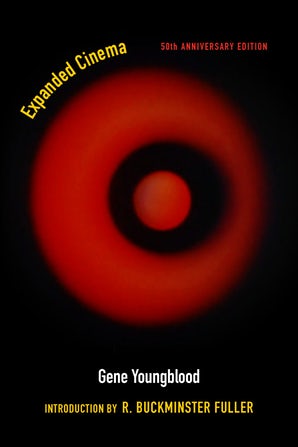
Fiftieth anniversary reissue of the founding media studies book that helped establish media art as a cultural category.
Best rated publications according to the votes of the website's visitors.
Fiftieth anniversary reissue of the founding media studies book that helped establish media art as a cultural category.
“This past summer I began to look through my album of personal snapshots, ones that I had sent out to accompany my email correspondences over the last decade. I was thinking of the possibility of doing some test printings of these images for a potential show when it was suggested to me by my printer, Nina Zurier, that a small book might be a more appropriate context for this project.
Film Talks is an edited collection of unique conversations on experimental cinema from a range of eminent and emerging film and video makers. The book represents a contemporary snapshot on the ways in which experimental cinema is perceived by its practitioners, often in relation to other art forms, moving image culture at large and wider social issues. It is an invaluable guide for those keen to immerse themselves in the insights and perspectives that only artists can offer.
Table of Contents
If it can be said that experimental filmmakers are "expanding" the artistic field through an exploration of the potencies, modes of dissemination, or even performance of the moving image, in the Anthropocene age, these practices hope for another kind of expansion: to expand our experience of nature.
In activity in Recife between 2011 and 2015, the Bcubico was configured as an important field of exhibition and sharing of different contemporary art forms, also interested for the image in movement related to the experimental cinema, videoart and other expressions.
“This book is a echo manifest of the dynamics of space as a field of experience, but also a place of excellence of presentations through texts, testimonials, stories, and photos” as Barrus points out.
Fred Camper has written about the films of Stan Brakhage for over five decades. Collected here for the first time in a single volume, his writing forms a body of criticism commensurate with the importance of Brakhage's films to late 20th century American art.
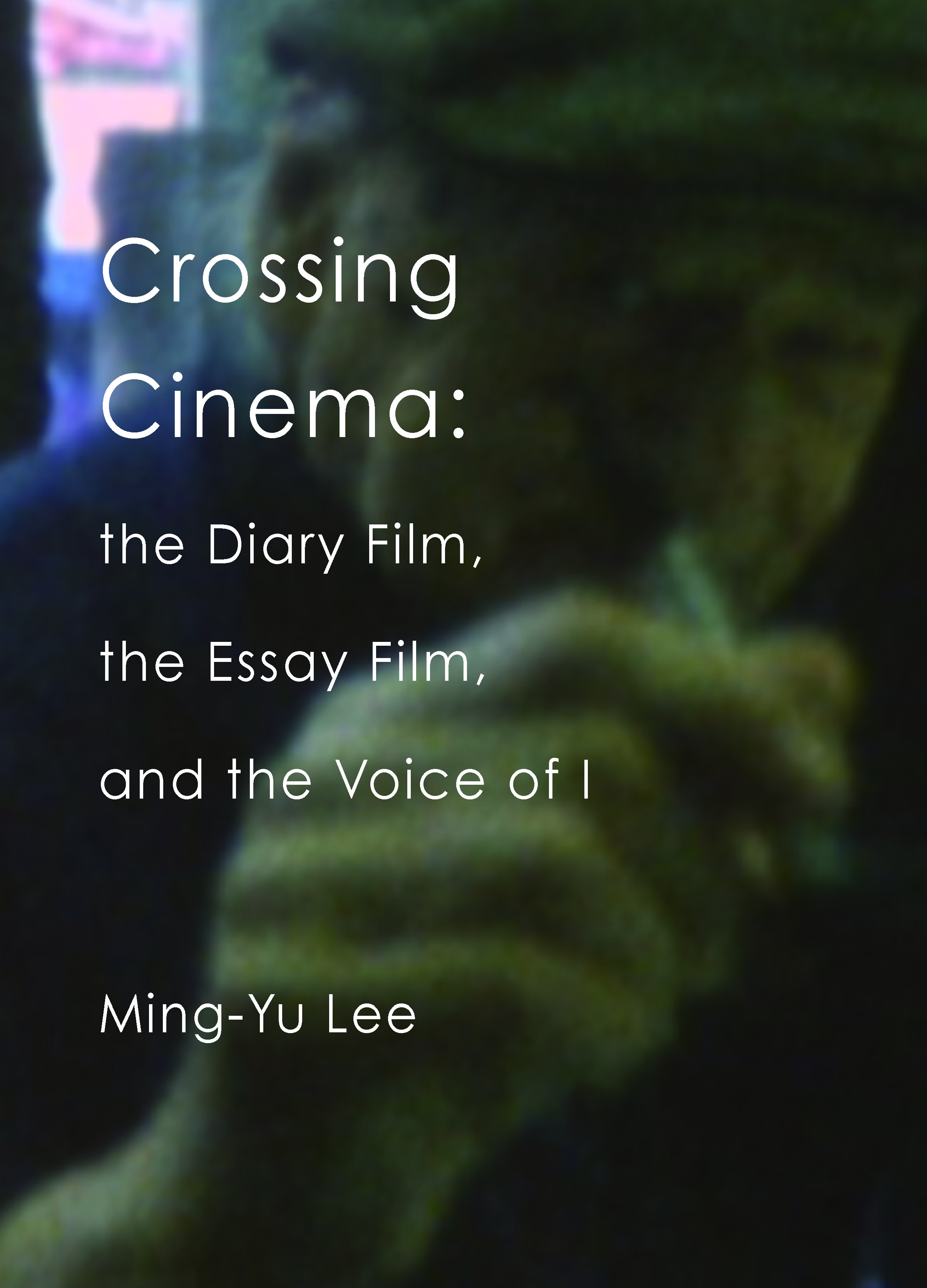
This book focuses on the unique forms of expression in the diary film and the essay film, especially how authorship of filmmakers can be integrated in the voice-over as a narrative strategy in first-person cinema. The book is divided into two sections: the first section “essays” contains three chapters, and in these chapters I use films of Liu Na’Ou, Hollis Frampton, Jonas Mekas, and José Luis Guerín as cases for filmic textual analyses, to discuss the issues of authorial presence, the voiceover narration, and audiovisual structure.
Introduction by Mike Hoolboom
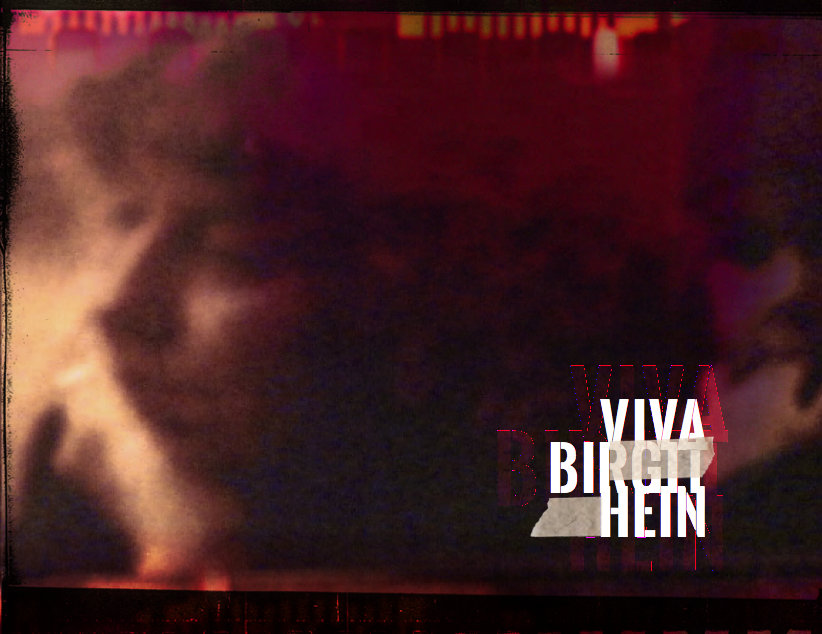
The godmother of German experimental film is dead. Birgit Hein died at the age of 80, peacefully, while sleeping.
Nathaniel Dorsky and Jerome Hiler met in 1964 at the premiere of Dorsky’s first film, Ingreen. This encounter marked the beginning of a shared life and a series of creative exchanges. Covering a span of over forty years, this book brings together interviews, writings, and documents related to the 16mm films made by the two filmmakers in New York, at the country house in New Jersey where they lived in the late 1960s, and in San Francisco, where they moved in 1971 and currently reside.
|
Please notice that our website is not a shop. The items listed here are just for reference. Links will be provided when the publication is not generally available via standard retailers. |