Werner Nekes - Lagado
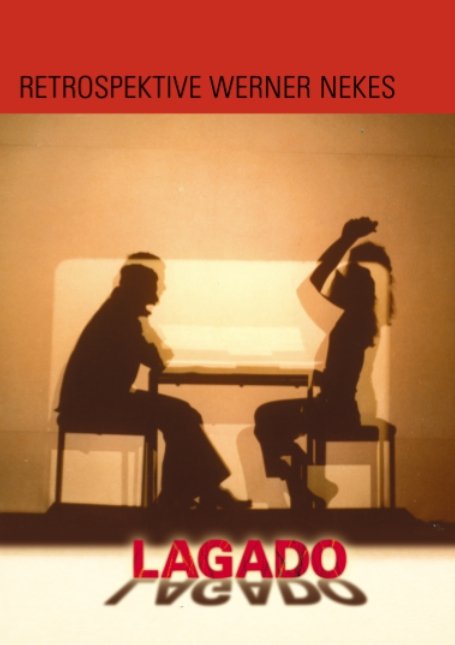
An experimental film in the treatment of the relationship of the features from image to sound (0-sound) on the penetration of different communication layers.
Price:
29.00 EUR
Best rated publications according to the votes of the website's visitors.
An experimental film in the treatment of the relationship of the features from image to sound (0-sound) on the penetration of different communication layers.
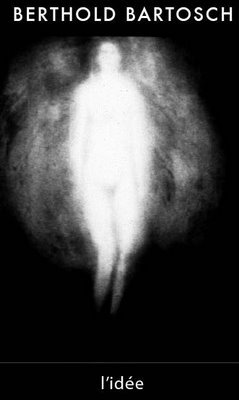
Bartosch's only surviving film was made single-handely in Paris in 1932. Almost 45000 frames were animated on four different levels simultaneously, often with as many as 18 superimpositions made in the camera.

Inger Lise Hansen is a visual artist with background in experimental film and animation who for the last two decades has produced a distinctive and acclaimed body of moving image work. This publication presents her recent film trilogy, Proximity (2006), P

What do glitches reveal about the normally invisible processes behind our interpretations?
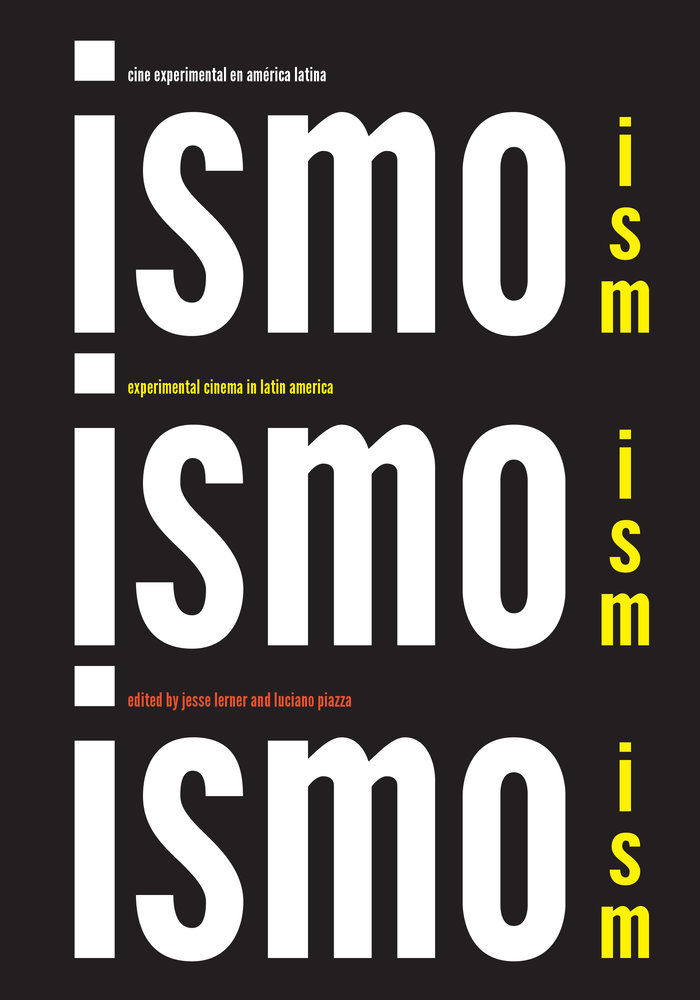
Ism, Ism, Ism / Ismo, Ismo, Ismo is the first comprehensive, United States–based film program and catalogue to treat the full breadth of Latin America’s vibrant experimental film production. The exhibition features key historical and contemporary films from Argentina, Brazil, Bolivia, Chile, Colombia, Cuba, Ecuador, Mexico, Paraguay, Peru, Uruguay, Venezuela, Puerto Rico and the United States.

Part cinematic manifesto, part invoked sorcery, SOLARES serves as volcanic manifestation of what viewing, inhabiting, and reflecting images is in our existence. Meant to accompany their masterpiece The Sun Quartet, SOLARES stands as a beautiful testament to the power of poetry and its relationship to cinema and life

Perhaps America’s most important artist from the last fifty years, Jack Smith is simultaneously hailed as the godfather of performance art, a groundbreaking photographer and the ‘William Blake of film’. His utopian ideals, artistic processes and bejeweled
According to Viennese filmmaker Gustav Deutsch, “film is more than film.” His own career proves that point. In addition to being an internationally acclaimed creator of found footage films, he is also a visual artist, an architect, a researcher, an educat

Codes for North is a study of the early evolution of the Canadian avant-garde film and its roots in an aesthetic of difficulty. Stephen Broomer traces the evolution of this cinema through the work of three artists—Jack Chambers, Michael Snow and Joyce Wieland—from their early development as painters in the 1950s to the creation of their epic films: Reason Over Passion (1969), The Hart of London (1970), and La Region Centrale (1971). Their work formed in response to a strain of Neo-Dada that took root in southern Ontario in the late 1950s.
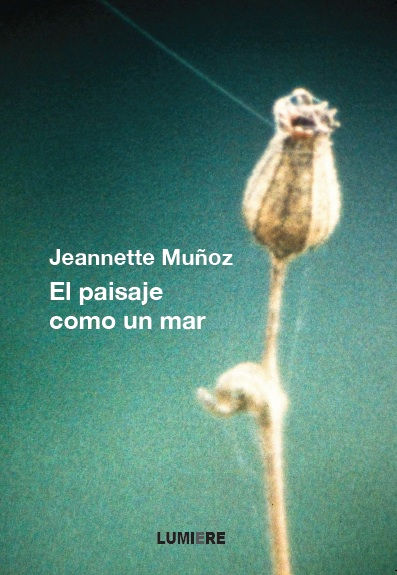
Edición bilingüe en castellano e inglés / English and Spanish bilingual edition
ÍNDICE / INDEX
INTRODUCCIÓN
Una gota de agua pura basta para purificar un océano; una gota de agua impura basta para manchar un universo / Francisco Algarín Navarro
ENTREVISTA CON JEANNETTE MUÑOZ
Las piedras pueden ser pan y la arena azúcar / Vanessa Agudo Molina, Francisco Algarín Navarro, Blanca García
|
Please notice that our website is not a shop. The items listed here are just for reference. Links will be provided when the publication is not generally available via standard retailers. |


